




5G Cybersecurity Risks – What It Means for Saudi Businesses
The Kingdom of Saudi Arabia is charging ahead with its big Vision 2030 plan, with digital change as its core engine. The rollout of 5G technology is a cornerstone of this vision, promising blazing-fast speeds, near-instant response times, and the capability to connect millions of devices. From smart cities such as NEOM to modern industrial functions and healthcare, 5G is the digital spine for a contemporary Saudi economy.
However, this remarkable leap in capability comes with a corresponding jump in complication and danger. The very features that make 5G so strong also present remarkable 5G cybersecurity risks. For Saudi companies, whether you’re a big company, a financial institution, or an expanding startup, comprehending and handling these new dangers isn’t optional; it is crucial for survival and success.
Table of Contents
Why 5G Changes the Game for Cybersecurity
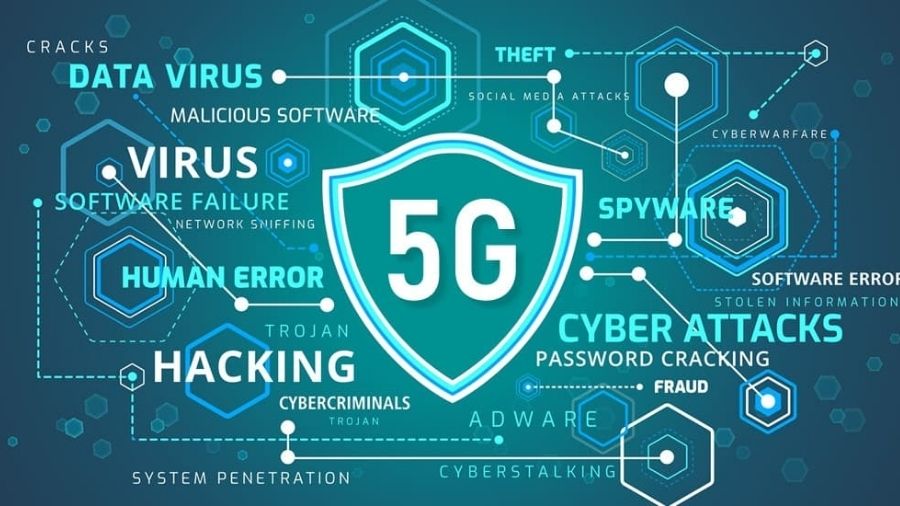
To comprehend the dangers, we first have to understand what makes the 5G network fundamentally different from the 4G networks we utilize today.
1. The Network is Now Software-Driven
In the past, the core network was primarily constructed using dedicated physical hardware, making it centralized and easier to protect at certain points.
5G, in contrast, is a hugely software-defined network. This means that several vital operations are operated on virtual machines or containers in the cloud, usually on standard servers, which are allocated across the network.
- Risk – A software-based network is just as vulnerable as any other computer software. A single protection flaw in the core or a misconfiguration can expose a big portion of the network. Hackers no longer require physical access; they can launch attacks remotely by targeting the software components.


2. Massive Expansion of Connected Devices
5G is developed to support a huge number of connections, up to a million gadgets per square kilometer. This comprises everything from intelligent sensors in oil sectors, self-driving cars, linked medical devices, and smart city infrastructure.
- The Risk – Every new linked device is a new entry point for a hacker. This dramatically expands the attack surface. If an industry sensor has weak protection, a hacker can utilize it as a silent Trojan horse to jump from the device into the whole company network.
3. Networking Slicing and Shared Infrastructure
A main feature of 5G is network slicing. Consider it like taking one big physical road and building several, thoroughly separate virtual lanes on top of it. One slice may be for the healthcare system, another for the typical client’s internet, and another for a private industrial control system.
- The Risk – When slices are supposed to be isolated, they usually share the same highlighting hardware and cloud infrastructure. If a hacker breaks into a less-secure slice, a vulnerability could potentially permit them to leak over and access an extremely protected, vital slice, like the power grid’s control network.
Top 5G Cybersecurity Risks for Saudi Businesses
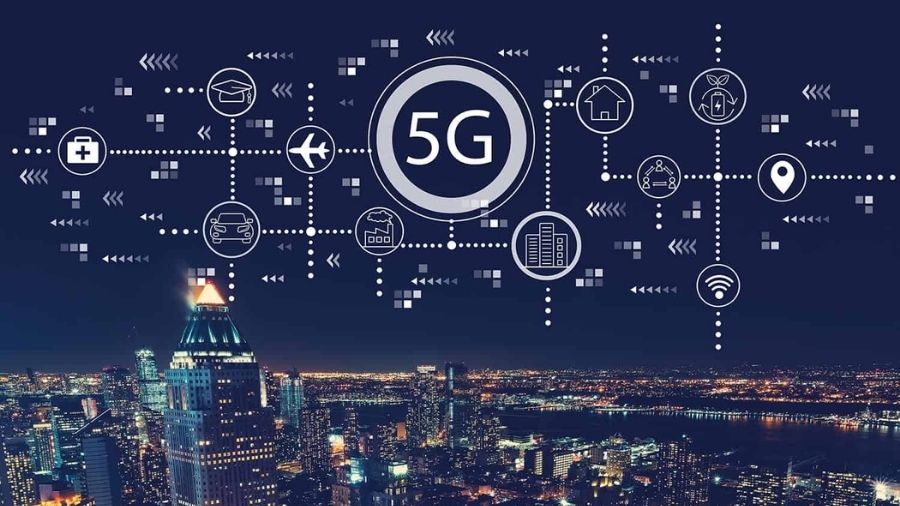
The change to 5G not only enhances old dangers; it builds wholly new ones that are specifically risky for Saudi Arabia’s crucial industries.
1. Ultra-Fast Data Theft and Ransomware
The phenomenal speed of 5G is a double-edged sword.
- The Threat – With gigabit speeds, an attacker who achieves access to a company network can steal gigabytes of sensitive data in seconds. This speed makes detection highly tough. By the time protection teams notice the intrusion, the data is already gone.
- Impact on KSA – For the financial and government industries, which manage huge volumes of sensitive data, this pace accelerates the effect of a data breach from a serious problem to a catastrophic one.
2. Critical Infrastructure Disruption
Saudi Arabia is investing heavily in smart cities and industrial automation, where 5G controls crucial services such as water, energy, and transportation.
- The Threat – Distributed Denial of Service attacks aim to flood a network with traffic to close it. 5G’s high bandwidth makes it simpler for an attacker to launch stronger DDoS attacks. If the control slice for a national energy grid is overwhelmed, the attacker could lead to widespread power outages.
- Impact on KSA – Disruption to crucial services directly impacts national protection and the economy, contradicting the core objectives of Vision 2030.
3. IoT Device Impersonation and Rogue Devices
The automated nature of 5G means that new devices are usually linked to the network without much human checking.
- The Threat – Attackers can effortlessly present malicious devices that appear legal. Once on the network, these rogue devices can supervise traffic, steal data, or even participate in a large-scale botnet attack, leveraging the network’s high capability.
- Impact on KSA – In industrial settings, a negative IoT sensor could feed false data to a control system, leading to physical harm or functional failure in factories or oil processing facilities.
4. Cloud and Edge Computing Vulnerabilities
5G moves computing power closer to the user, a thought called Edge Computing, to gain low latency. This highly depends on cloud-based infrastructure.
- The Threat – Cloud services present 5G cybersecurity risks such as misconfigured APIs or overly permissive access guidelines. Attackers target these cloud interfaces to access and manipulate the core 5G network functions. The change of computing to the Edge also means protection controls are more decentralized, making them difficult to handle.
- Impact on KSA – Several companies depend on local and regional cloud providers. A breach in a shared cloud environment can impact several, seemingly unrelated, corporate users.
What Saudi Businesses Must Do Now – A Security Action Plan

Addressing 5G and cybersecurity demands a change in mindset and investment from conventional protection to a contemporary, adaptive strategy.
1. Adapt a Zero Trust Security Model
The old way of thinking, trust everything inside the network and suspect everything outside, is dead in the 5G era. A zero-trust architecture is compulsory.
- Simple Explanation – ZTA means – Never Trust, Always Verify. Whether a user or gadget is inside or outside the network, they have to prove their recognition and authorization for every single resource approach.
- Actionable Step – Execute Multi-Factor Authentication across all company accounts and applications. Segment your internal networks so that if one location is breached, the hacker can’t automatically move laterally to the rest of your systems.
2. Strengthen Device and Endpoint Security
Since every linked device is a potential weak link, device protection should be uncompromising.
- Powerful Authentication – Utilize protected certificates and robust identity checks for all gadgets linking to the 5G network. Do not depend on simple passwords for IoT gadgets.
- Continuous Monitoring – Deploy Detection and Response solutions that continuously supervise all computers, servers, and linked devices for unusual activity. These tools utilize AI to catch subtle signs of an attack prior to it escalating.
3. Prioritize Network Segmentation and Slicing Security
Every network slice or segment must be handled by businesses as a totally distinct, walled-off system.
- Strict Controls – Make sure that the security guidelines for your “most important” data slices, like control systems, are kept apart from those for less crucial slices. The traffic between these segments should be strictly regulated by a firewall.
- Traffic Monitoring – Invest in fast Security Information and Event Management (SIEM) systems that can manage 5G’s enormous data volume and instantly identify minute irregularities.
4. Address the Talent and Skill Gap
The lack of qualified experts who comprehend intricate 5G network architecture is a significant obstacle in the KSA cybersecurity market.
- Upskilling and Training – Make significant investments in educating your current IT and security personnel about cloud security, new threat vectors, and the software-defined nature of 5G.
- Use Managed Services – To ensure you have cutting-edge protection without the need for a sizable, specialized in-house team, collaborate with specialized cybersecurity service providers that offer round-the-clock monitoring and knowledge of 5G security.
5. Follow Saudi Regulations and Standards
Saudi Arabia has put in place a robust regulatory framework, which includes the National Cybersecurity Authority’s (NCA) Essential Cybersecurity Controls (ECC).
- Compliance is Defense – Following the ECC is an essential defensive tactic in addition to being required by law. These controls address three critical areas in a 5G environment: governance, defense, resilience, and third-party risk.
- Supply Chain Vetting – Saudi companies must thoroughly examine the security posture and compliance of any local or foreign vendors or third parties whose hardware or software connects to their 5G-enabled systems.
5G – The Secure Foundation for Vision 2030
The swift and effective rollout of 5G technology has become a matter of national pride and a powerful catalyst for economic diversification in Saudi Arabia. From healthcare innovations like remote surgery to logistics advancements such as drone delivery, and fully automated smart manufacturing, 5G is reshaping the Kingdom’s digital ecosystem.
However, with this rapid transformation comes an increased demand for secure infrastructure. The cybersecurity risks associated with 5G are real and amplified by its high speed, massive connectivity, and complex architecture. These risks directly impact the sensitive data and critical infrastructure that support Saudi Arabia’s economy.
As a trusted leader in Cyber Security Solutions in Saudi Arabia, Bluechip Tech helps organizations navigate these challenges with confidence. The era of relying solely on passive defense is over. Saudi businesses must adopt a proactive Zero Trust approach, enforce device and network segmentation, and align with national cybersecurity compliance standards.
By partnering with Bluechip Tech, organizations gain access to advanced IT Services in Saudi Arabia that transform 5G cybersecurity challenges into a strategic advantage. Securing today’s networks is not just about protection—it’s about safeguarding Saudi Arabia’s digital future for tomorrow.
Also Read: BYOD Risks – What Saudi Companies Must Know in 2026


